Direct working interests, at the ground floor
Montclair's capital is working in American oil and gas today, and this is how. The majors buy up whole drilling sections and keep the upside to themselves. But the minerals under that land are owned in pieces by local families. One family might hold 2% of a $100 million project and owe millions to take part. Most cannot.
So we buy those mineral rights at a fair discount, raise the capital to fund the position, and place our investors directly on the working interest of the wellhead, beside the major doing the drilling. You hold a stake in named, permitted wells and are paid as they produce.
- Well-by-well schedule with API numbers and formations.On file
- Operator, lease and county for every location.On file
- Offset analog production histories.On file
- Surveyed surface and bottom-hole locations.On file
- Permit and drilling activity record.On file
- Full risk factors and offering documents.On file
- No blind pool.
- No unidentified acreage.
- No exploration risk dressed as development.
- No promised return: all production and income figures in program materials are hypothetical estimates, not predictions.
Not a ticker. A well with a name and a number.
Every location Montclair participates in is on file with the state, surveyed, permitted and assigned to a contracted operator before it is offered to anyone.
Three things a share of an oil major will never give you
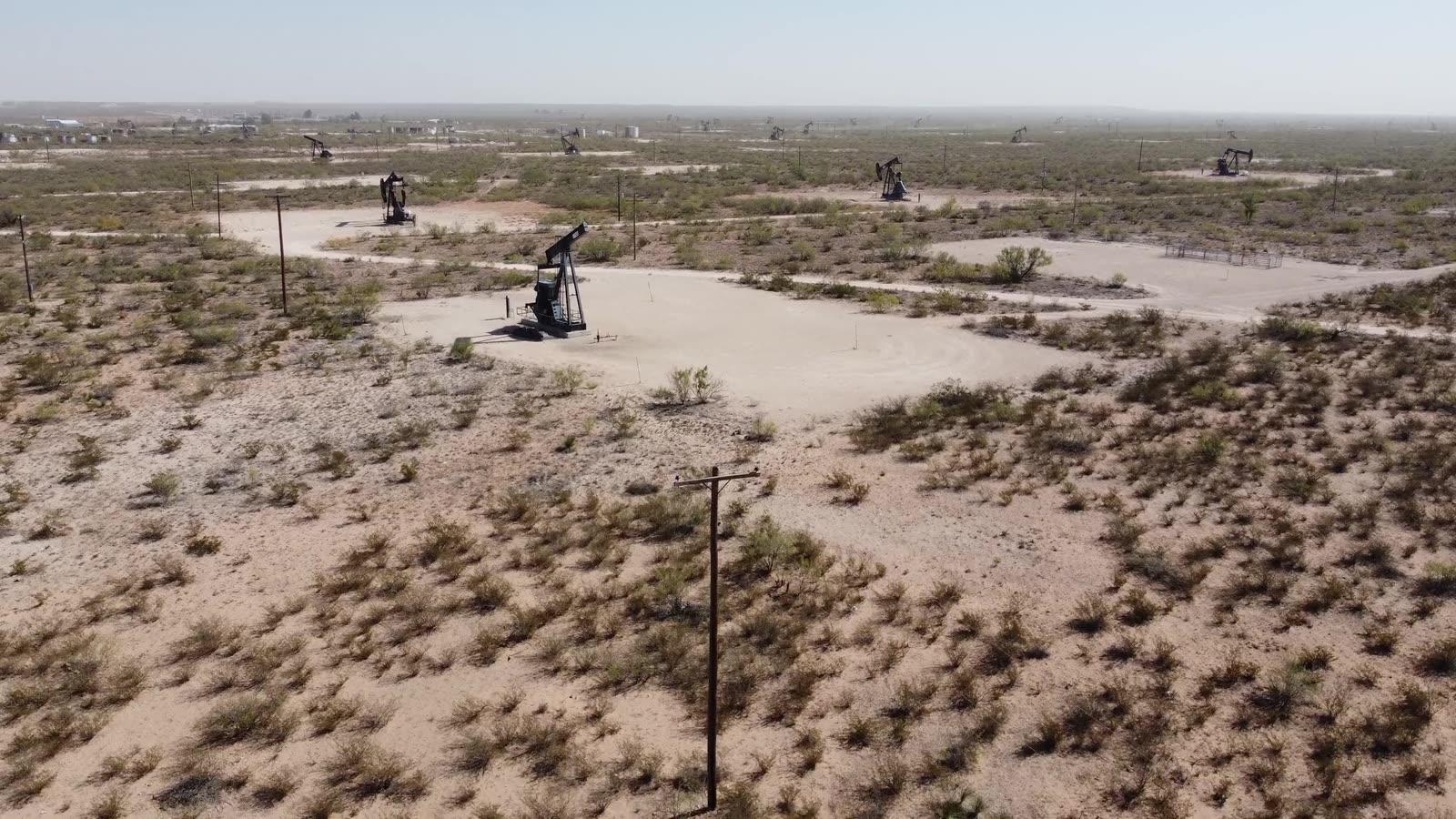
Wells you can look up
Every location is on file with the state, surveyed, permitted and assigned to an operator before it is offered to anyone. You get the API number, the formation, the lease and the county for each well. No blind pool, no unnamed acreage.
Ground that is already proven
We only invest in America's best-known oil regions: the Permian, the Bakken, the Powder River. Everyone has known the oil was down there since the 1960s. What changed is the drilling. Since about 2016, one modern well can run sideways through thousands of feet of oil-soaked rock instead of a few. That is what finally makes it pay.
Tax treatment almost nothing else gets
Oil and gas gets some of the best tax treatment in the country. A large part of what you put in can often be written off against your income in the first year, and part of what each well pays you is tax-sheltered after that. How much depends on your situation, so your own tax advisor has the final say.
209/209
Nine years, ten basins, no dry holes.
Over the past six years Eagle Natural Resources has participated in 209 non-operated horizontal discoveries. Montclair places capital in their programs, from West Texas to Wyoming.
Where the wells are
Select a basin to see how many wells are held there and what they have produced.
Permian
Conventional & unconventionalThe largest position in the portfolio, spanning 575 wells across both conventional and unconventional targets. The most heavily developed onshore oil province in North America.
We invest beside people who drill for a living.
Avalanche Oil and Gas, Latigo Oil and Gas, Skycap Energy, Comstock Energy, Lode Holdings, Tandem Energy, Crowheart Energy, Newman Fred M, Yarbrough Oil, Harvey Yates, Oleum Energy, EOG Resources, Lanexco, Peak Powder River Resources, Extraction, PDC, Baywater and Bison.
See the wells before you commit a dollar.
Program materials, with every well, operator and permit on file, are shared under confidential cover with qualified investors.